
Attachment and Relationship Trauma
Understand why relationships feel hard and how to feel safe.
When relationship patterns keep repeating
Things start strong. There is connection, closeness, and a sense of certainty. Then something shifts.
You may find yourself becoming anxious about where you stand, needing more reassurance, or feeling preoccupied with the relationship. At other times, you may feel the opposite. You pull back, lose interest, or feel overwhelmed by closeness.
Some clients describe feeling like they are “too much” in relationships. Others feel like they shut down or disappear when things get more emotionally intense.
Others find themselves thinking about the same relationship long after it ends. Not just what happened, but what it meant, what you missed, and what you could have done differently.
You might recognize patterns like:
- Getting very invested quickly and then feeling unstable later
- Feeling unsure how the other person feels, even when there is no clear change
- Overanalyzing communication, tone, or behavior
- Pulling away when things start to feel vulnerable or uncertain
- Cycles of thinking about the other person that feel like they are all you can think of
- Centering a person in your life so that you revolve around them
At a certain point, it stops feeling like it is about the specific relationship. It starts to feel like something that keeps happening, even when the people involved are different.
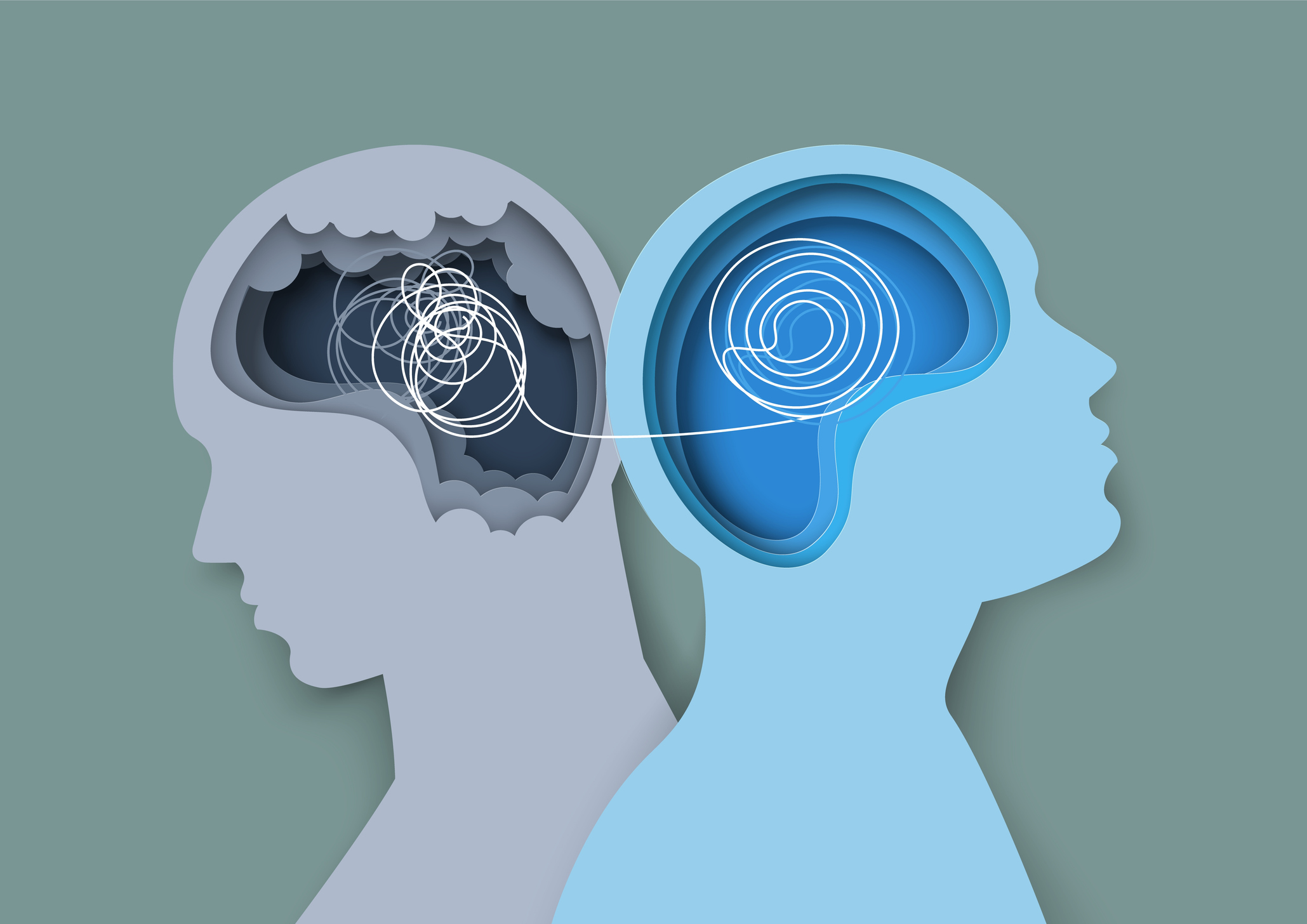
What attachment and relational trauma can look like
Attachment patterns often show up in how you respond to closeness, distance, and emotional uncertainty in relationships.
Some of the patterns we see in therapy include:
- Difficulty trusting others, even when you want to
- Feeling highly affected by changes in communication or attention
- Strong emotional reactions to perceived rejection
- Moving quickly between feeling close and feeling distant
For some people, this shows up as increased pursuit:
- Seeking reassurance frequently
- Wanting more clarity, communication, or closeness
- Feeling unsettled when there is space or distance
For others, it shows up as withdrawal:
- Pulling back when relationships become more emotionally intense
- Avoiding vulnerability or deeper conversations
- Feeling overwhelmed when others need closeness
It is also common to move between both patterns depending on the situation or the person.
Attachment patterns compared to trauma responses
Attachment and trauma often overlap, but they are not the same.
Trauma is typically rooted in experiences where your sense of safety was disrupted. It often shows up as strong physiological or emotional reactions to specific triggers.
Attachment patterns are more relational. They are shaped over time through repeated experiences, especially in early relationships, and they influence how you connect with
others now.
A simple way to understand the difference:
- Trauma: “Something happened that my system still reacts to”
- Attachment: “This is how I learned to relate to closeness and connection”
For example:
- Trauma response: Feeling overwhelmed or shut down when something reminds you of a past experience
- Attachment pattern: Feeling anxious when someone does not respond quickly, or pulling away when someone gets too close
Many clients experience both. Part of the work is understanding how they interact so that responses can be addressed in a targeted way.
How these patterns develop
Attachment patterns develop through repeated relational experiences, especially early on.
If relationships were:
- Inconsistent
- Unpredictable
- Emotionally unavailable
- Overwhelming or intrusive
Your system adapted in order to manage those dynamics.
Over time, those adaptations become patterns.
- If connection felt uncertain, you may become more attuned to changes and seek reassurance
- If closeness felt overwhelming, you may learn to create distance to regulate
- If needs were not consistently met, you may struggle to trust that they will be
These patterns are not random. They are learned responses that made sense in the context they developed in.
The challenge is that they continue to show up even when your current relationships are different.
How relationship patterns are maintained
Attachment patterns tend to reinforce themselves through repeated cycles.
For example:
- You notice a change in communication or connection
- Your mind begins to interpret what that might mean
- You respond by seeking reassurance, pulling away, or adjusting your behavior
- The dynamic shifts in response to that behavior
- The pattern is reinforced
These cycles can look different depending on your tendencies.
Some people experience increased anxiety leading to more pursuit, which can create pressure in the relationship.
Others experience discomfort with closeness leading to withdrawal, which can create distance or confusion.
Over time, these patterns can feel automatic, even when you recognize them.
How therapy helps with attachment and relational patterns
Therapy focuses on helping you understand these patterns and build more flexible ways of responding within relationships.
This work often includes several key areas.
Identifying your patterns
Understanding emotional responses
Building tolerance for vulnerability
Shifting relational dynamics
Changing behavioral responses
Our approach towards attachment and relationship trauma at Ravenwise Consulting
At Ravenwise Consulting, attachment work is structured and grounded in real relational patterns, not just theory.
We focus on helping you understand how your patterns actually show up in your day to day relationships.
This includes:
- Breaking down interactions in a way that makes the pattern visible
- Identifying what is being triggered and why
- Building alternative responses that are realistic in the moment
We also incorporate:
- Parts based work to understand internal conflicts, such as wanting closeness while also feeling overwhelmed by it
- Communication strategies to help you express needs more clearly
- Behavioral work to shift patterns that are maintaining instability
- Emotion regulation strategies to help you stay steady in times of high emotional intensity
Sessions are focused on creating change that carries into your real relationships, not just insight within the session.
What progress can look like
Progress in attachment work often shows up in how you respond within relationships.
You might notice:
- Catching patterns earlier, before they escalate
- Feeling less reactive to changes in communication or connection
- Being able to express needs more directly
Over time, these shifts build into larger changes.
- Relationships feel more stable and less intense
- You are less driven by fear of abandonment or discomfort with closeness
- You feel more confident in how you relate to others
- Emotional reactions feel more manageable rather than overwhelming
Many clients describe it as feeling more grounded in relationships rather than constantly reacting to them.
Getting started with therapy
Starting therapy for attachment patterns often begins with recognizing that the same dynamics keep showing up, even when the context changes.
You may feel frustrated, confused, or unsure how to approach relationships differently.
The first step is understanding your patterns clearly.
From there, therapy focuses on helping you build new ways of responding that feel more stable and intentional.
Clients often come into this work wanting changes like:
- Feeling more secure in relationships
- Reducing anxiety about where they stand with others
- Being able to stay present during conflict or uncertainty
- Creating relationships that feel more consistent and less reactive
Therapy becomes a process of shifting how you relate, so that relationships feel less like something you have to manage and more like something you can engage in with clarity and confidence.